
Relationship Patterns & Emotional Wounds Therapy in Racine, WI

You Keep Showing Up—Even When You Feel Unseen.
You invest deeply in your relationships.
You listen carefully. You try to understand. You give more than you take.
And yet, there’s a familiar sense of being misunderstood.
Your intentions don’t always land the way you hope.
When you share something meaningful, it may be minimized, missed, or met with confusion.
Over time, you start to wonder whether it’s easier to say less—to need less.
You’re not alone. But you often feel alone within your relationships.
For some people, this leads to over-giving or over-explaining—hoping that if you try harder, clarity or closeness will finally come.
For others, the response is quieter. You pull back. You avoid certain conversations. You stay emotionally guarded, even when you care deeply.
This isn’t indifference. It’s protection.
When being misunderstood happens repeatedly, your system learns to anticipate it. Avoidance, distance, or emotional self-reliance can begin to feel safer than risking another missed moment.
You may not call this trauma.
You may not see a single event that explains it.
But over time, the impact adds up—shaping how close you allow people to get, how much of yourself you share, and what feels possible in connection.
What you’re longing for isn’t more attention.
It’s attunement. To be met without having to translate yourself.
To feel understood without having to earn it.
And when that hasn’t been reliably available, your responses—whether over-functioning or pulling away—make sense.

How Do I Know If This Type of Therapy Is Right for Me?
Many people who seek this work hesitate at first.
They don’t see their experiences as “serious enough.”
They worry about taking up space—or wonder if they’re overthinking things.
But emotional wounds often show up as patterns, not isolated events.
You may recognize yourself here:
You repeatedly feel unseen, misunderstood, or emotionally alone in relationships
You tend to over-function, people-please, or take responsibility for others’ emotions
You avoid certain conversations because they feel too risky or exhausting
You pull back emotionally—even from people you care about
You struggle to ask for what you need without guilt or fear of conflict
You often leave interactions replaying what you said—or what you didn’t say
You crave connection, but closeness can feel complicated or unsafe
You notice the same relational dynamics repeating, no matter how hard you try to change them
These patterns are not character flaws.
They are learned responses—often shaped by earlier relationships where being fully seen or understood wasn’t consistently available.
Why Certain Relationship Patterns Feel So Familiar
Not all emotional wounds come from catastrophic events.
Many form slowly, through repeated relational experiences—especially in childhood or early relationships—where your needs were minimized, misunderstood, or inconsistently met.
You may have learned that:
Love requires effort, sacrifice, or self-abandonment
Expressing your feelings leads to tension, distance, or misunderstanding
Safety comes from staying agreeable, low-maintenance, or hyper-aware
Being needed is safer than being fully known
Over time, these lessons become automatic.
They shape who you’re drawn to, how you show up, and what feels familiar—even when it hurts.
This isn’t about labeling your experiences as trauma if that doesn’t fit for you.
It’s about understanding why your nervous system responds the way it does in relationships—and why certain patterns repeat despite your best intentions.
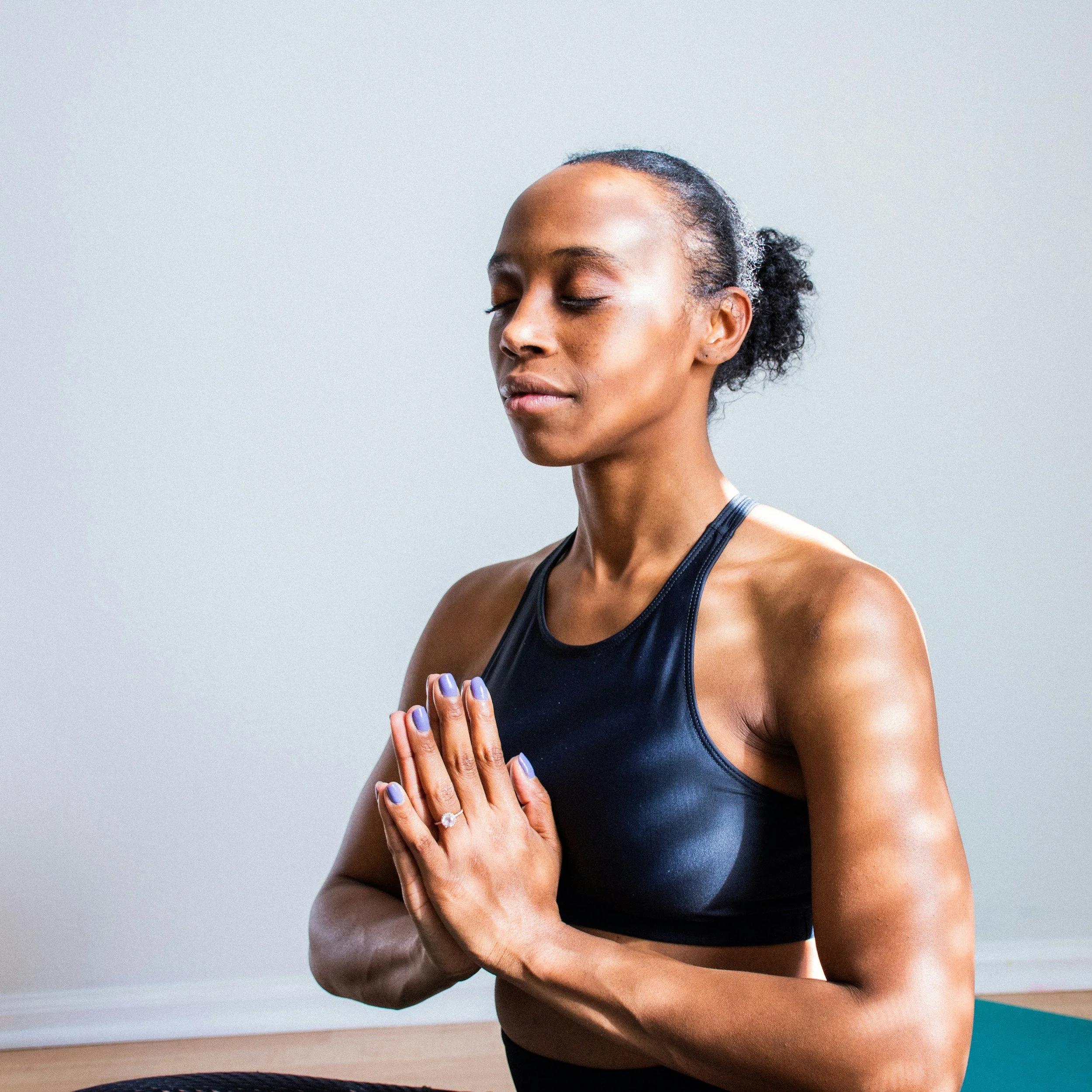
Why Relationship Wounds Live in the Body
Relationship patterns don’t just exist in your thoughts—they live in your nervous system.
Long before you could explain what felt safe or unsafe, your body learned how to stay connected and protected. That learning still shows up today:
Tightness when you consider setting a boundary
Anxiety when someone pulls away
Shutting down or going quiet during conflict
Feeling drawn to familiar dynamics, even when they hurt
These responses aren’t conscious choices. They are automatic patterns shaped by experience.
This is why insight alone often isn’t enough to create change.
Lasting shifts happen when the body—not just the mind—has the opportunity to process what it’s been holding.
How Brainspotting Helps You Recognize and Shift Patterns
Brainspotting is a gentle, body-based therapy that helps access the parts of the brain and nervous system where emotional and relational patterns are stored.
Rather than talking about your reactions, Brainspotting allows us to slow down and notice what your body is already responding to in the present moment. This often brings awareness to patterns that previously felt automatic or hard to explain.
Clients frequently begin to notice:
How their body reacts before their mind catches up
When familiar relational responses get activated
What feels protective versus what feels connecting
As these patterns become recognizable in the body, they become more flexible.
Brainspotting isn’t about forcing insight or reliving the past—it’s about creating enough safety for your system to process and release old survival strategies.
Over time, this work can support a greater sense of steadiness in relationships—allowing you to stay present, connected, and more at choice rather than driven by familiar patterns.
What Healing Relationship Patterns Can Look Like
This work isn’t about blaming the past or fixing who you are.
It’s about creating more choice, safety, and clarity in how you relate.
Over time, therapy can help you:
Recognize patterns without self-judgment
Instead of asking “What’s wrong with me?” you’ll begin to understand where your responses came from—and why they made sense.
Feel safer expressing needs and emotions
As your nervous system becomes more regulated, speaking up no longer feels as risky or overwhelming.
Respond rather than react in relationships
With more awareness and grounding, you gain flexibility instead of falling into old roles automatically.
Reduce avoidance or emotional shutdown
So connection doesn’t require over-functioning—or complete withdrawal.
Experience relationships as more mutual and steady
Rather than something you have to manage, monitor, or earn.

What I Offer in This Work
In this work, I offer attunement, steadiness, and depth.
I pay close attention to the moments where things tighten, go quiet, or feel hard to name—because those moments often hold important information about your relational patterns.
Rather than focusing on surface behaviors, we explore how your nervous system has learned to protect connection. This allows patterns to be understood and shifted at their root, not managed or overridden.
My intention is to support you in building relationships that feel more mutual, more honest, and less driven by old survival strategies.
My Approach to Relationship Patterns & Emotional Wounds Therapy
My work is trauma-informed, attachment-focused, and body-based.
That means we don’t just talk about your relationships—we explore how they live in your body, your nervous system, and your internal world.
In our sessions, we’ll move at a pace that feels safe.
We’ll pay attention to moments of tightening, pulling away, over-explaining, or going quiet—not to judge them, but to understand them.
I often integrate Brainspotting and other somatic approaches to help shift patterns that feel deeply ingrained or hard to access through words alone.
This work is not about forcing change.
It’s about creating enough safety for your system to soften and try something new.
I offer in-person therapy in Racine and virtual therapy for clients across Wisconsin.